
Margaret Reynolds

Maggie Reynolds, LCPC, NCC We often talk about our creations, our decisions, our opinions, and our beliefs without looking further into the processes that led us there. Mindfulness has become a big part of mental health treatment and life for many people. An important component of mindfulness can be identifying and understanding the way your mind works and not just what thoughts or emotions you may be experiencing. What follows are some common mental processes: Concentration Flow…

Maggie Reynolds, LCPC Modern life gives us nonstop access to information. Phones, social platforms, podcasts, and streaming channels all compete for attention. Our minds absorb constant updates, alerts, and commentary, and this flow can quickly overwhelm us. The effects of consuming too much news can reach into daily routines, emotional well-being, and relationships. This guide explores the impact and offers simple steps to build a healthier relationship with media. Understanding the Effects of Consuming Too Much News…
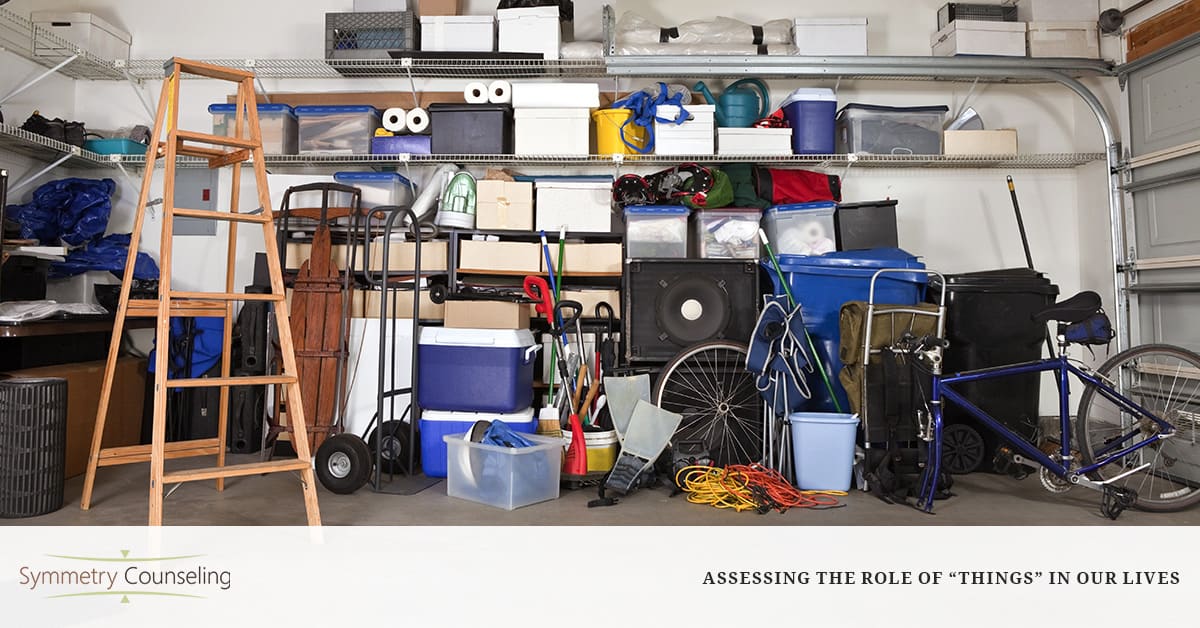
By: Margaret Reynolds, MA, LCPC, NCC Many people seek therapy with a licensed counselor to deal with difficulty and conflict in their relationships, whether it is a relationship with a parent, a child, a partner, or with themselves. Sometimes, it is not just these human relationships that require attention, but also one’s relationship to “things.” Think of all your possessions. Clothes, devices, décor, vehicles, heirlooms, books, etc. What emotions do you notice as you think about…

By Maggie Reynolds, LCPC Many therapists recommend that couples schedule regular check-ins and time together to talk through issues in the relationship. Sometimes it is merely a suggestion, and sometimes it is assigned homework stemming from relationship or marriage counseling sessions. The key is to set aside specific, concrete time rather than leaving it as a vague, open-ended plan. This scheduled period, called “us time,” differs from general “quality time” because its focus is on addressing challenges and…
Do You Need Help?

Not what you were looking for?